How Indian Builders Are Adopting Smart Home Automation in New Projects
How Indian Builders Are Adopting Smart Home Automation in New Projects

The real estate landscape in India is rapidly evolving, with technology becoming a defining factor in how homes are designed, built, and marketed. From metro cities to emerging urban hubs, builders are now integrating smart home automation systems into their projects to meet growing consumer demand for intelligent, energy-efficient, and connected living.
Leading this transformation are trusted brands like Legrand, offering complete home automation solutions that are redefining modern housing in India.
Why Is Home Automation Gaining Momentum in India’s Real Estate Market?
The demand for smart home automation systems in India is driven by a combination of consumer expectations, competitive differentiation, and evolving urban lifestyles. Modern home buyers, especially millennial’s prioritize features that enhance convenience, security, and energy management.
According to a recent industry report, over 40% of urban homebuyers in India now expect some level of automation in new residential projects. Builders are responding by incorporating smart features as part of their base offerings, not just as luxury upgrades.
What Are the Most Common Smart Home Features Builders Are Adding?
In both premium and mid-segment housing, builders are increasingly installing automation-ready infrastructure and Legrand-compatible smart modules. These include:
- Smart lighting control: Schedule-based and sensor-activated lighting
- Fan and appliance automation: Remote on/off, speed adjustment via app or voice
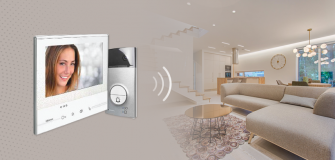
- Video door phones and access control: Smart surveillance integrated with intercom
- Climate control: Smart thermostats and AC control
- Voice integration: Compatibility with Alexa, Google Assistant, and Apple HomeKit
How Are Builders Integrating Automation in Construction Phases?
Forward-thinking builders are incorporating smart home automation from the design stage itself. Here’s how:
- Pre-installed wiring and control hubs: Reduces the need for post-possession modifications.
- Centralized control systems: Enables unified control across lighting, HVAC, and security.
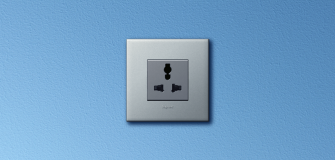
- Modular switchboards: Support future expansion with touch panels or wireless modules.
- Vendor partnerships: Collaborations with brands like Legrand allow builders to offer certified, scalable solutions across unit sizes.
This approach saves time, ensures compatibility, and improves customer satisfaction at handover.
What Makes Legrand a Preferred Partner for Builders?
Legrand’s global reputation and deep expertise in Indian electrical environments make it a trusted name among developers. Here’s why builders choose Legrand for smart home integration:
- Wired and wireless options: Enables builders to choose based on budget and scale
- Aesthetic consistency: Switches, sockets, sensors, and controllers share a unified design language
- Quick installation: Pre-configured modules for faster deployment on-site
- After-sales support: Nationwide technician network for post-possession servicing
Moreover, Legrand’s automation ecosystem is interoperable with third-party systems, ensuring long-term adaptability for homeowners.
How Are Smart Homes Enhancing Builder ROI and Project Appeal?
Integrating smart home features allows builders to:
- Increase property value and pricing: Smart homes command a premium of 10–15% in many urban markets. (KW Appraisal Group, 2025)
- Accelerate sales cycles: Tech-enabled properties attract younger, tech-savvy buyers.
- Meet green building norms: Energy-efficient automation systems contribute to IGBC or GRIHA ratings.
- Improve post-sale engagement: Builders can bundle home maintenance plans with automation services.
In a competitive market, automation is no longer an add-on; it’s becoming a basic expectation.
What Types of Projects Are Embracing Smart Home Automation in India?
Smart automation is no longer confined to luxury penthouses. Builders across different housing segments are implementing home automation in:
- Luxury apartments: Full-suite Legrand smart panels with app and voice control
- Mid-range gated communities: Motion sensors, smart doorbells, and touch switches
- Affordable housing: Pre-wired panels with upgrade options post-possession
- Senior living and co-living spaces: Safety-focused automation like fall detection, panic buttons, and auto-lighting
This diverse adoption proves that home automation in India is evolving from a niche market to a broad-based standard.
What Does the Future Hold for Smart Home Integration in New Projects?
As India moves towards smart cities and more digitally connected infrastructure, smart homes will soon become the norm, not the exception. Builders who adopt automation now are likely to stay ahead of future building codes and consumer demands.
Future trends include:
- AI-driven automation: Self-learning systems that adjust to user preferences
- Predictive maintenance: Sensors that alert homeowners or facilities managers to issues
- Interconnected societies: Centralised management of smart homes across residential clusters
Legrand’s commitment to R&D ensures its solutions remain future-proof and regulation-ready, giving builders peace of mind and a competitive edge.
Final Thoughts: Why Builders Should Prioritize Smart Home Automation Now
Incorporating a smart home automation system is no longer a luxury but a necessity in India’s dynamic housing sector. Builders who align their offerings with the demands of the digital age not only boost project appeal but also enhance the quality of life for residents.
With Legrand as a strategic partner, builders can deliver homes that are intelligent, adaptable, and aesthetically superior, setting a new benchmark for modern living in India.